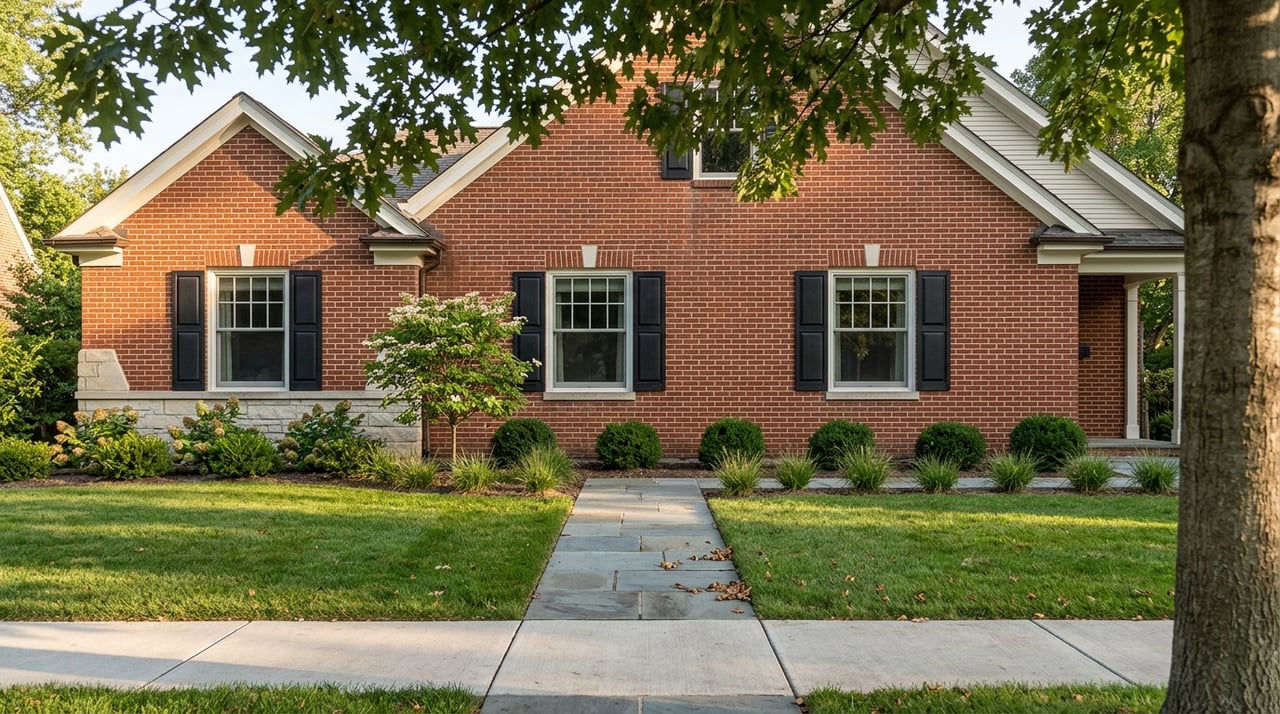
Wayne vs Nearby Main Line Towns For Home Buyers
May 14, 2026
May 14, 2026
Trying to choose between Wayne and other Main Line towns can feel like splitting hairs until you look at how each place actually lives day to day. If you are comparing walkability, housing costs, commute patterns, and town-center feel, small differences can shape your experience in a big way. The good news is that Wayne, Ardmore, Bryn Mawr, and Paoli each offer a distinct version of Main Line living. Let’s break down what sets them apart so you can narrow your search with confidence.
Wayne works well as an anchor town because it blends a real downtown feel with a calmer suburban rhythm. It is a census-designated place in Radnor Township, about 15 miles west of Philadelphia, and local planning materials continue to treat downtown Wayne as an active village center.
That matters if you want more than just a train stop or a strip of shops. Wayne offers a true town core, rail access, and higher-end housing values, while still feeling less urban than some nearby alternatives. For many buyers, it lands in the sweet spot between convenience and breathing room.
Wayne’s housing numbers also tell an important story. The area has 7,160 residents, a 66.1% owner-occupancy rate, a median owner-occupied home value of $713,300, a median rent of $2,022, and a 27.6-minute mean commute. Among the towns compared here, Wayne has the highest median home value.
If you are starting your search with Wayne, here is the quick snapshot:
Those numbers suggest a market that is established, in demand, and generally positioned at the higher end of this group. If your budget and goals line up, Wayne can offer a polished Main Line experience with strong day-to-day convenience.
Ardmore is often the better fit if you want a more energetic, walkable town-center environment. Lower Merion describes its commercial district as energetic and walkable, and the broader character reads as more urban than Wayne.
That can be a plus if you want errands, dining, and transit connections to feel close at hand. Walkability examples in Ardmore range from 89 to 93, which is notably stronger and more consistent than Wayne’s range of 16 to 83. In practical terms, Wayne is walkable in its core, but Ardmore tends to deliver that convenience more broadly.
Ardmore may also appeal if you want Main Line access at a lower price point. Census data show 13,566 residents, a 63.0% owner-occupancy rate, a median home value of $453,100, a median rent of $1,763, and a 26.4-minute commute.
Compared with Wayne, Ardmore looks more price-accessible while still offering a strong town-center lifestyle. If your priority is value plus a lively, on-foot daily routine, Ardmore deserves a close look.
Bryn Mawr offers a different kind of village feel. Local planning documents describe it as a compact village where mixed-use commercial, residential, and community-service functions are integrated with housing, supported by rail transit and a walkable development pattern.
If you like the idea of a denser, rail-oriented environment, Bryn Mawr may be appealing. It is best understood as a compact village rather than a car-first suburb, which gives it a distinct identity among Main Line towns.
The numbers help show that difference. Bryn Mawr has 5,879 residents, a 46.1% owner-occupancy rate, a median home value of $453,400, a median rent of $2,173, and a 25.2-minute commute.
Compared with Wayne, Bryn Mawr has a much lower owner-occupancy rate and a stronger renter presence. For buyers, that can signal a denser housing mix and more multifamily presence than you may find in Wayne.
Paoli tends to appeal to buyers who want station-centered convenience and somewhat lower pricing west of Wayne. Tredyffrin’s comprehensive plan describes Paoli Village as a historic, mixed-use community centered on the station, with redevelopment pressure and planned pedestrian and multimodal improvements.
That gives Paoli a practical, commuter-oriented identity. It feels more suburban and value-oriented than Wayne, while still offering a recognizable village pattern around transit.
Paoli has 6,002 residents, a 75.4% owner-occupancy rate, a median home value of $481,200, a median rent of $1,995, and a 23.8-minute commute. That owner-occupancy rate is the highest of the towns in this comparison.
For buyers who want Main Line access with a somewhat lower median home value than Wayne, Paoli can be a strong contender. It may be especially attractive if rail access matters but you do not need as polished or as established a downtown core as Wayne offers.
All four towns benefit from access to the SEPTA Paoli/Thorndale Line. Wayne, Bryn Mawr, Ardmore, and Paoli each have stations on that line, which gives buyers a shared transit backbone when comparing locations.
Wayne also benefits from more than rail alone. Radnor notes access to rail, trolley, direct bus service, major roads, and proximity to Philadelphia International Airport. If your routine involves varied travel patterns, that broader transportation mix may strengthen Wayne’s appeal.
Commute times are fairly close across these towns, but they are not identical. Wayne posts a 27.6-minute mean commute, Ardmore 26.4 minutes, Bryn Mawr 25.2 minutes, and Paoli 23.8 minutes. None of these gaps should make your decision on their own, but they help round out the picture.
Walkability is one of the biggest reasons buyers compare these towns so closely. The key is not just whether a town is walkable, but how consistently walkable it feels from one address to another.
Wayne’s examples range from 16 to 83, which suggests a strong village core with less uniform walkability outside it. Ardmore’s range of 89 to 93 points to a more consistently walkable environment. Paoli’s range of 55 to 76 suggests a station-village pattern that becomes more car-dependent more quickly as you move away from the center.
Bryn Mawr is best understood through its official planning framework as a compact, rail-supported village. For you as a buyer, that means the feel of daily life may depend less on broad labels like suburban or urban and more on exactly where within town you land.
| Town | Median Home Value | Owner-Occupancy | Median Rent | Mean Commute |
|---|---|---|---|---|
| Wayne | $713,300 | 66.1% | $2,022 | 27.6 min |
| Ardmore | $453,100 | 63.0% | $1,763 | 26.4 min |
| Bryn Mawr | $453,400 | 46.1% | $2,173 | 25.2 min |
| Paoli | $481,200 | 75.4% | $1,995 | 23.8 min |
This comparison makes Wayne’s position clear. It is the highest-priced market in the group, with a strong village identity and a balanced mix of walkability, transit, and suburban calm.
Wayne is a strong fit if you want a polished village anchor with a true downtown, rail access, and higher-end housing values. It also works well if you want some suburban calm without giving up everyday convenience.
Recent local development adds to that story. Radnor’s West Avenue parking lot added 108 spaces and direct sidewalk access to downtown, while the former Bellevue lot is being redeveloped as 60 West, a 45-unit residential project with underground parking. That suggests Wayne is continuing to evolve rather than standing still.
Ardmore makes sense if daily errands on foot and a more urban town-center feel matter most to you. It is also the more price-accessible option compared with Wayne in this group.
Bryn Mawr may be the right fit if you want a compact, rail-oriented village with more multifamily and rental presence. Buyers who prefer a denser setting often find that appealing.
Paoli is a strong option if you want Main Line access west of Wayne, station-centered convenience, and somewhat lower pricing than Wayne. It can be especially appealing if your search prioritizes practical commuting and owner-occupied suburban character.
If you are still deciding, focus on the tradeoffs that matter most to your daily life. Start with these questions:
When you compare towns this close together, the best choice is often less about prestige and more about fit. A well-matched town can make your move feel easier and your day-to-day life feel more natural.
If you want help weighing Wayne against other Main Line options, Ainlay Dixon offers calm, local guidance for buyers, renters, and relocators who want to make a confident move.
July 2, 2026
June 25, 2026
June 18, 2026
June 11, 2026
June 4, 2026
May 28, 2026
May 21, 2026
May 14, 2026
May 7, 2026
Get assistance in determining current property value, crafting a competitive offer, writing and negotiating a contract, and much more. Contact her today.