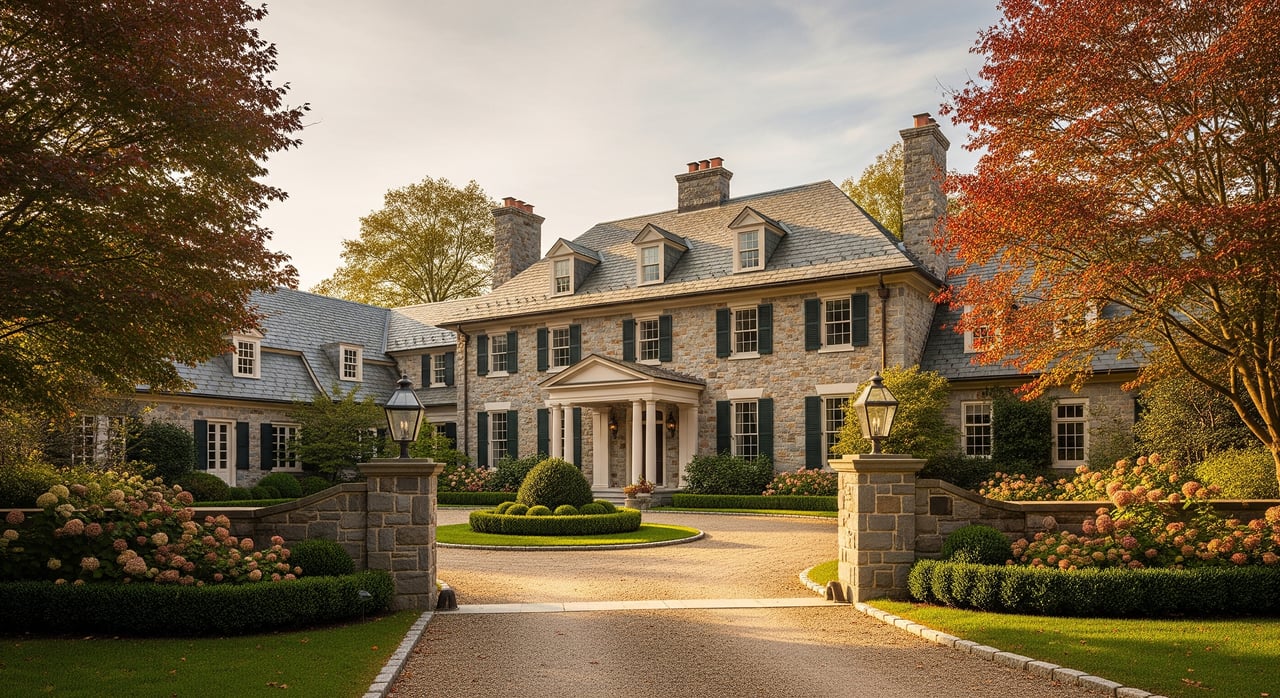
Main Line Home Styles Explained in Devon
December 4, 2025
December 4, 2025
Wondering which Main Line home style fits your life in Devon? With so many Colonials, Capes, Tudors, and carriage homes on quiet, tree-lined streets, it can be hard to tell what each style offers day to day. You want character and comfort without surprise costs or a layout that fights your routine. In this guide, you will learn how to spot each style, how they live, common renovation paths, and what to check during inspections so you can buy with confidence. Let’s dive in.
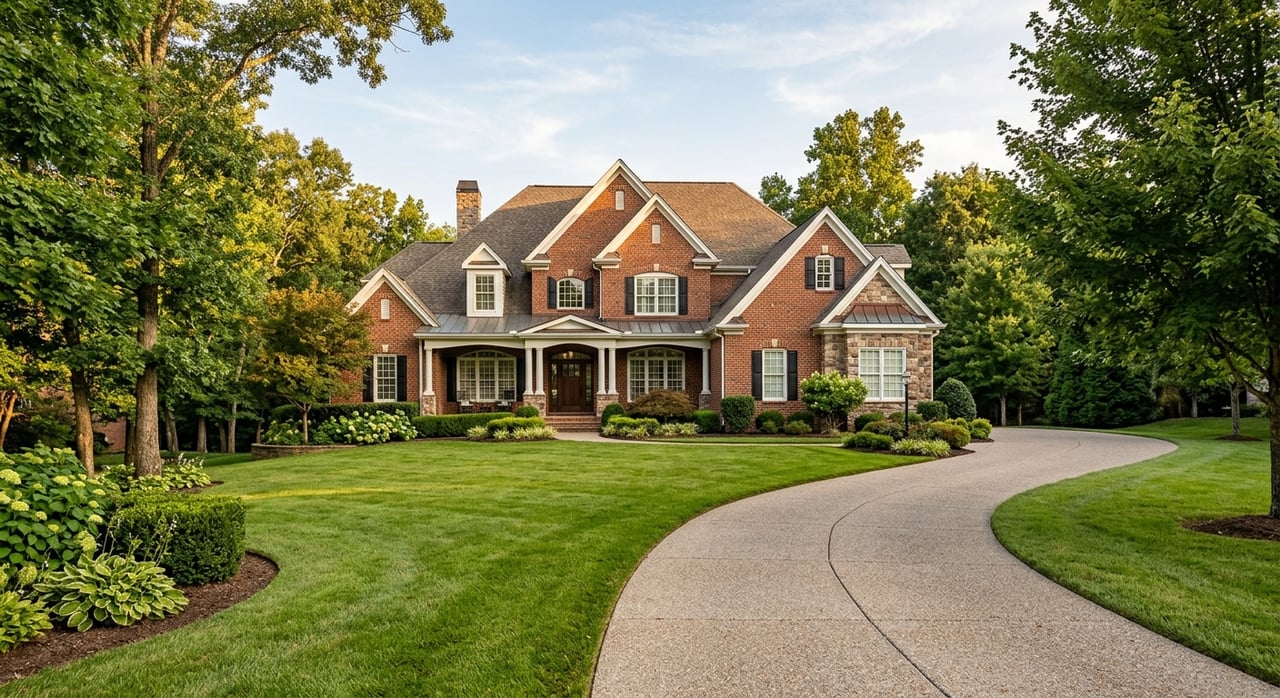
Devon sits along Philadelphia’s Main Line and blends early 1900s charm with mid-century and newer infill. You will see classic Colonials and Tudors on generous lots, cozy Cape Cods from the 1930s to 1950s, and later expansions that bring open kitchens and family rooms. Many homes have mature landscaping, full basements, and strong construction. Buyers often favor updated kitchens and baths, flexible living areas, and move-in ready systems while still valuing period details.
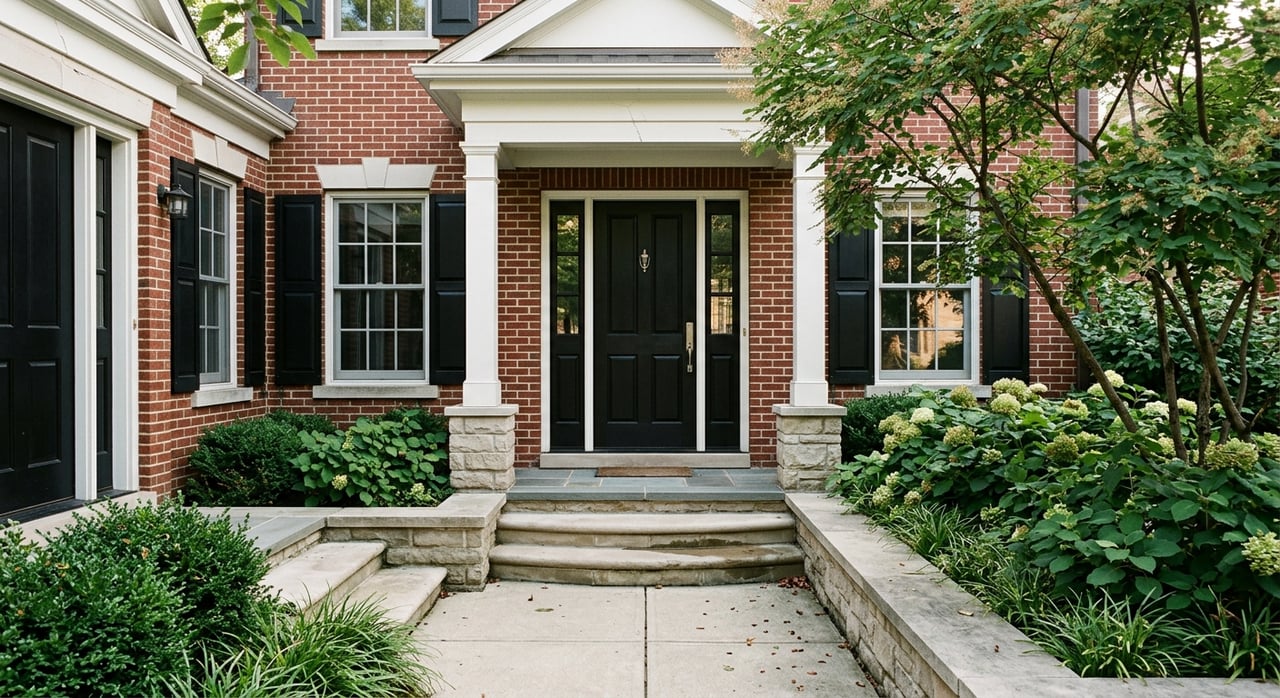
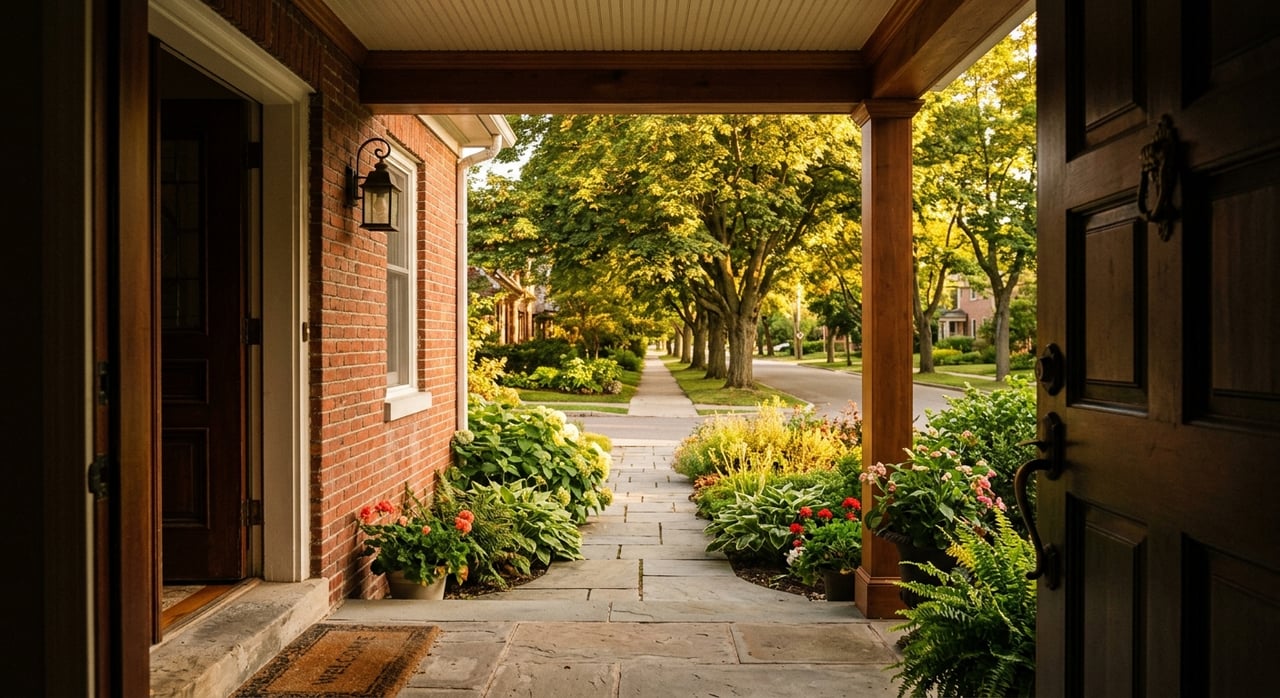
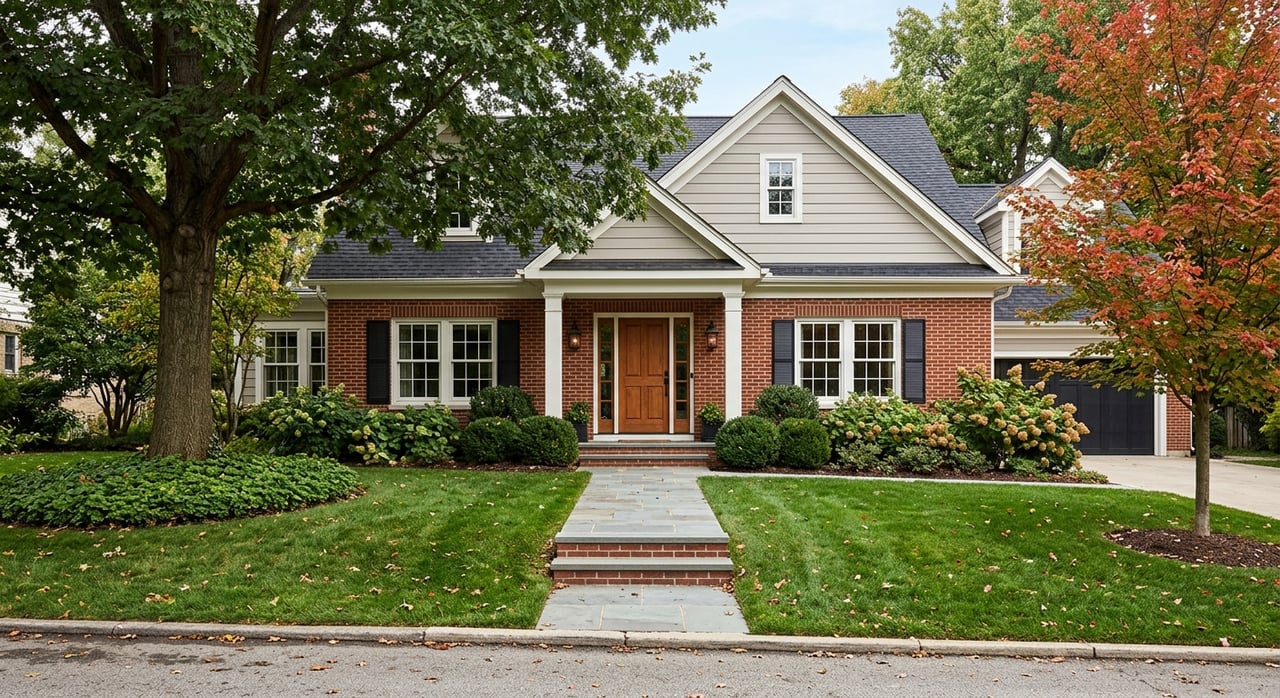
Look for a symmetrical front with a centered door, multi-pane double-hung windows, and shutters. You may see a gable or hip roof with dormers and a decorative entry with sidelights or a transom. Exteriors are wood frame with clapboard or brick and stone veneer.
Most Colonials have a center hall with formal living and dining rooms on either side. Kitchens were historically separate at the rear, though many have been opened to a family room. Bedrooms are upstairs, often with a renovated or added primary suite. This layout suits buyers who like defined rooms with a traditional flow and the option to create modern gathering spaces.
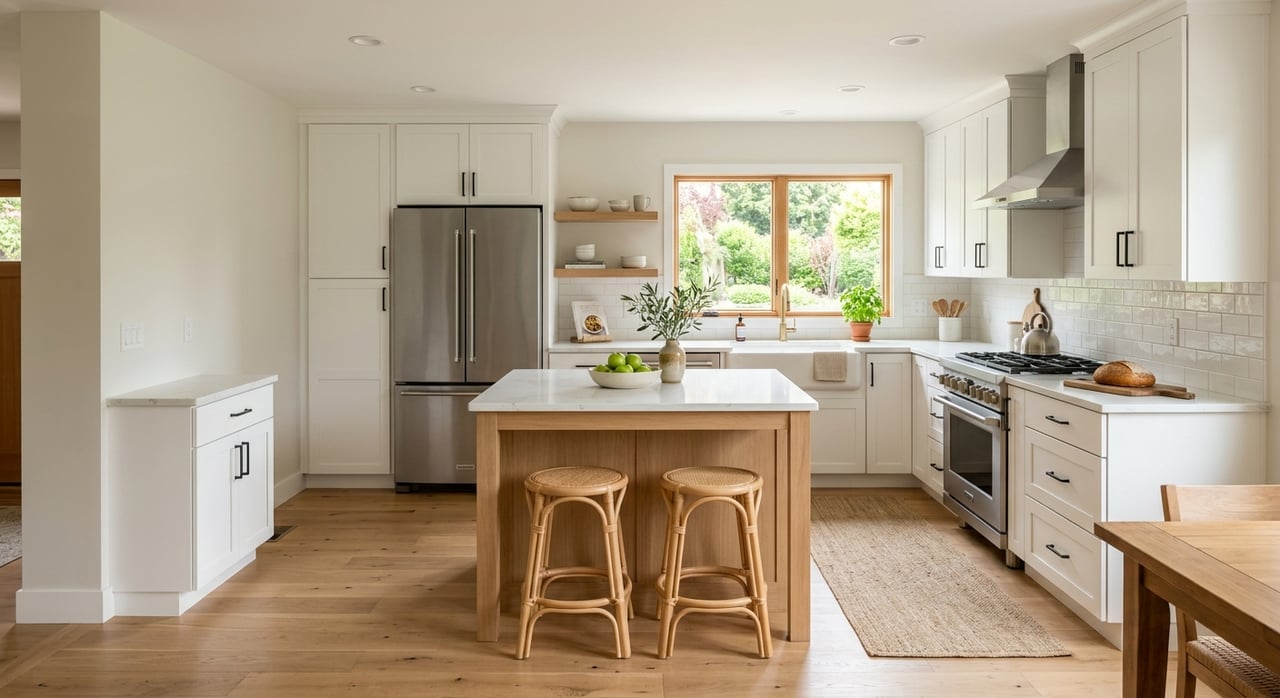
Common updates include opening the kitchen, adding a mudroom, and creating a larger primary bath with walk-in closets. If masonry is present, plan for mortar and flashing upkeep. Older models may have knob-and-tube wiring or limited insulation, so an electrical service upgrade and air sealing are smart moves.
Colonials have broad appeal. They offer easy paths to expand with rear additions or dormers and often include full basements for storage, gyms, or media rooms. If you want formal entertaining areas plus a relaxed family hub, a Colonial is a strong match.
Capes are one to one-and-a-half stories with a steep roof and dormers. You will see a simple rectangular footprint, clapboard or shingle siding, and a central or off-center front door. Many have later dormer additions that bring light and headroom upstairs.
Ground-floor living is compact, with living, dining, and kitchen near the entry. Bedrooms often live under dormers on the second level. Many owners expand the rear to add an open kitchen and family room. If you prefer a simpler footprint with less upkeep, a Cape offers a comfortable starting point.
Focus on roof and dormer integrity, attic insulation, and ventilation. Rear additions or kitchen bump-outs are common and can transform the way a Cape lives while keeping its friendly scale. Window and insulation upgrades can improve comfort and lower energy use.
Capes appeal to first-time buyers, downsizers, and anyone who wants a smaller home that can grow. Renovated Capes with larger kitchens and a main-floor or expanded primary suite tend to perform well on resale.
Expect steeply pitched gables, tall chimneys, arched doorways, and decorative half-timbering with stone or brick cladding. Windows are often casement with leaded or multi-pane glass. Facades are asymmetrical and rich with detail.
Interiors often have smaller, well-defined rooms, cozy alcoves, and inviting fireplaces. First floors feel intimate, with irregular angles that give each space personality. If you love period charm and storybook character, a Tudor delivers.
Half-timber and masonry details need careful care. Opening a kitchen or reworking circulation takes creativity due to irregular walls and ceiling lines. Pay special attention to chimney and roof flashing and older windows during inspections.
Tudors attract buyers who value craftsmanship and unique spaces over large open rooms. Renovations can be more costly if you want to preserve original details, but the result is a home with enduring character.
Historically, carriage houses placed living quarters above a garage. In Devon, you will find both historic conversions and newer carriage-style homes or clusters. Some are detached small homes with a garage-forward orientation and living space above or behind.
These homes often offer one to two bedrooms with open-plan living over the garage. They work well for downsizers, single buyers, or flexible uses like a guest space or home office. Rental use depends on local zoning and permitting.
Soundproofing and insulation between garage and living areas are priorities. Parking access and driveway design can be different from typical front-drive layouts, so confirm what works for your routine.
If you want a smaller footprint, low exterior maintenance, or potential rental income where allowed, a carriage home can be a smart choice. Resale depends on neighborhood norms and zoning, yet per-square-foot values can be strong in tight markets.
Across Devon’s older homes, full basements are common and provide storage, utility space, or the chance to finish a rec room, office, or gym. Stone or older foundations may need mortar repairs and moisture management. HVAC systems are often upgraded, but ductwork, new boilers, or high-efficiency conversions may still be on your list. Single-pane windows and minimal insulation are typical in older properties, so expect a plan for window solutions and air sealing.
Popular renovation trends include:
For accessibility, Capes and carriage homes can offer more main-floor living. Colonials and Tudors may need modifications like a main-floor bedroom or a stair solution.
For older Main Line homes, your inspection list should focus on big-ticket systems and water management. A thorough pre-offer or contract-phase review helps you plan your budget and avoid surprises.
Key inspection priorities:
For carriage homes or accessory units, confirm zoning, rental rules, and parking requirements with local planning offices. If you are considering exterior changes or period-sensitive updates, check for any historic district controls or architectural review in your neighborhood.
Use this quick scan during a showing or neighborhood drive:
As you look, note lot orientation, mature trees, and driveway access. Consider room for a future addition if that is part of your plan.
If you want well-defined formal spaces with expansion options, a Colonial is a safe bet. If you need a lighter footprint that can grow, look at Capes. If character and craftsmanship top your list, shop Tudors. If flexibility or smaller scale is key, consider a carriage home.
Devon’s mix of classic architecture and thoughtful updates gives you real choice. The right match comes from how the home lives for you, not just curb appeal. Focus on layout, systems, and a realistic path to your preferred upgrades. With careful inspections and a smart plan for improvements, you can secure a home that balances Main Line character with modern comfort.
Ready to tour homes that fit your style and budget, and to negotiate with confidence in Devon? Connect with Ainlay Dixon for calm, expert guidance, local insight, and a smooth path from first visit to closing.
July 23, 2026
July 16, 2026
July 9, 2026
July 2, 2026
June 25, 2026
June 18, 2026
June 11, 2026
June 4, 2026
May 28, 2026
Get assistance in determining current property value, crafting a competitive offer, writing and negotiating a contract, and much more. Contact her today.