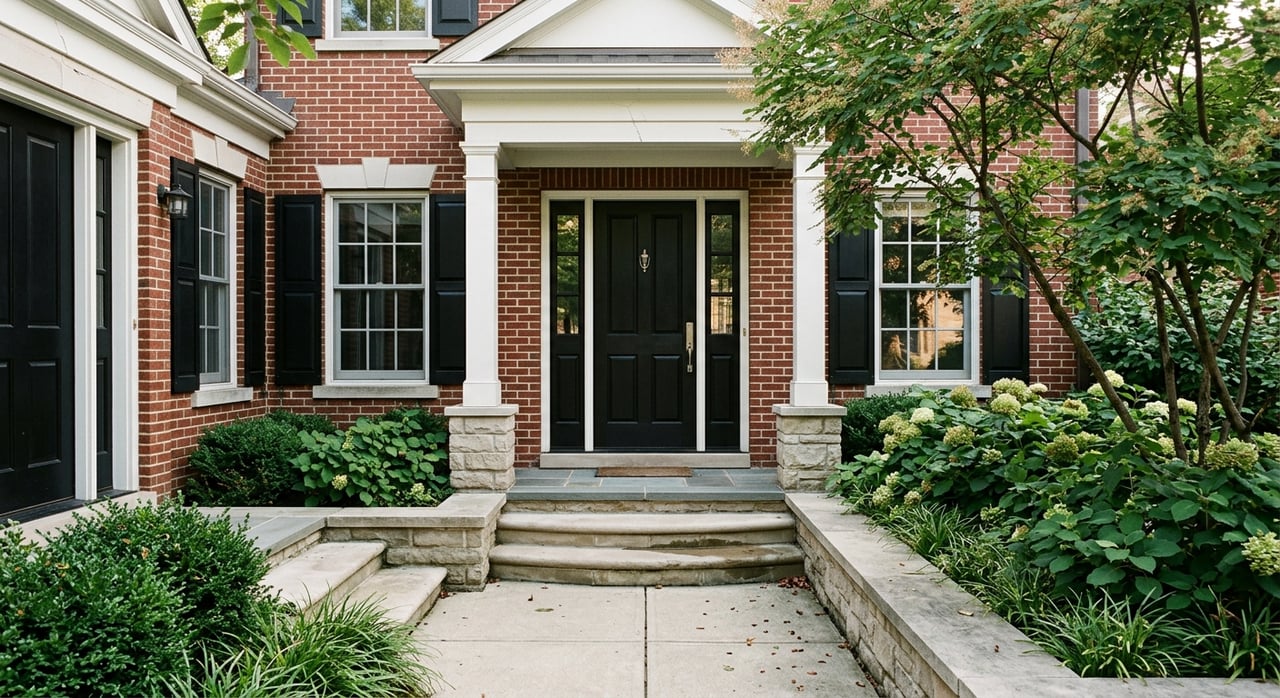
Downsizing Within Radnor: Options For Staying Local
July 2, 2026
July 2, 2026
If you love your routines, your friends, and the feel of Radnor, the idea of downsizing can feel like a trade-off. You may want less upkeep and more flexibility, but not at the cost of leaving the area you know so well. The good news is that staying local may be more realistic than you think, especially if you plan early and understand your options. Let’s dive in.
Radnor is a mostly owner-occupied, high-value market, which matters if you have owned your home for years and built meaningful equity. Census QuickFacts show a 65.9% owner-occupied rate and a median owner-occupied value of $833,900, while township housing-trend materials also point to a housing base with strong owner occupancy and substantial home values. Even though those figures come from different years and methods, they point to the same reality: downsizing here can have a significant financial impact.
The local market has also remained active. Recent snapshots show homes moving in about three weeks, with median prices around the $1 million mark depending on the source and time period. In practical terms, that means if you decide to sell, timing and preparation matter because the market may not give you much room to wait once the right buyer appears.
In many cases, yes. Radnor Township’s own long-range planning materials discuss smaller and lower-maintenance housing types, including townhouses, duplexes, mid-rise apartments, and age-targeted luxury apartments for older residents. That tells you downsizing is not a fringe idea here. It is part of the broader housing conversation in the community.
The challenge is usually not whether smaller-home options exist. It is whether the right option is available when you are ready to make your move. Because inventory can be limited, you may need to define your must-haves early and stay open to a few different property types.
Condos are often the clearest fit if your goal is to simplify daily life. Current Radnor-area condo listings mention features like secure lobby access, on-site management, extra storage, laundry, pool access, and deeded or garage parking. Some also note that HOA coverage may include items like water.
That combination can reduce the number of household tasks competing for your time. If you are ready to step away from exterior maintenance, yard work, and some of the unpredictability that comes with a detached home, a condo may offer the cleanest transition.
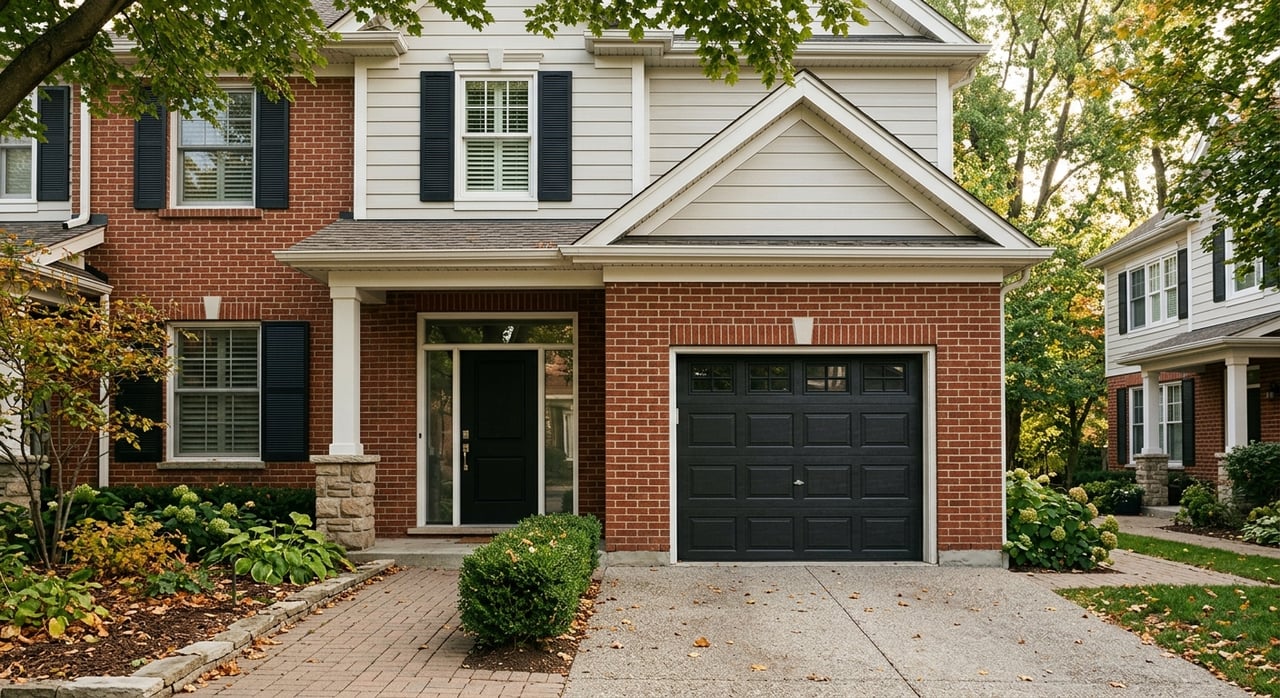
Townhomes usually sit in the middle. They often give you more private living space and a more house-like layout than a condo, while still reducing lawn care and exterior upkeep compared with a detached property. For many Radnor owners, that balance feels more comfortable than moving straight from a larger single-family home into a smaller shared-building setting.
Current township townhome listings also show practical features such as garages and moderate HOA fees on some properties. If you want less maintenance without giving up the feel of separate levels, extra storage, or direct entry, a townhome may be the strongest match.
Sometimes staying local means widening the search without changing your lifestyle much. Current Radnor Township search boundaries already include familiar Main Line addresses such as Wayne, St. Davids, and Bryn Mawr. That can help if true in-town inventory is thin but you still want to keep the same general routines, access patterns, and community connections.
For some downsizers, that small expansion makes all the difference. You may find a better-fit property without feeling like you are starting over somewhere new.
Choosing between a condo and a townhome usually comes down to how you want to live day to day. The question is less about square footage alone and more about what kind of maintenance, layout, and privacy feel right for your next chapter.
| Option | Best for | Common advantages | Common tradeoffs |
|---|---|---|---|
| Condo | Owners who want the least day-to-day upkeep | Building amenities, less exterior maintenance, simplified living | Shared-building setting, HOA structure, typically less private outdoor space |
| Townhome | Owners who want a bridge between house and condo living | More house-like layout, often garages, less upkeep than detached homes | Still may involve HOA fees, usually more maintenance than a condo |
Neither option is automatically better. The best fit depends on how much upkeep you want to shed, how attached you are to a house-style layout, and how flexible you can be on price and timing.
In a market like Radnor, downsizing is not always about spending less on the next home. Sometimes it is about reducing maintenance, simplifying your lifestyle, or unlocking equity. To understand whether the move works for you, start with a basic net-proceeds view.
A simple first step is to estimate your equity by subtracting your mortgage balance from your home’s current market value. From there, you will also want to account for selling costs, likely repairs, closing costs, and moving expenses. That is the math that helps you understand what you can comfortably buy next.
Transfer tax is one of the biggest line items sellers often forget when they first run numbers. Pennsylvania’s state realty transfer tax is 1%, and Delaware County lists Radnor Township’s local transfer tax at 1.5%, for a combined 2.5% on taxable transfers.
On a higher-value sale, that can be a meaningful amount. If you are counting on sale proceeds to fund your next purchase, this cost should be part of your planning from the start, not a surprise near closing.
The order of your sale and purchase matters a lot in a fast-moving market. There is no one right answer for everyone. The best sequence depends on your equity, financing, comfort with overlap, and how quickly an appropriate downsizing option may come on the market.
A practical way to think about it in Radnor is this:
Because local homes have been moving in about three weeks and attached-home inventory is limited, waiting too long to make a plan can create pressure. If you know you want to stay in Radnor, it helps to map out your options before your current home goes live.
If your purchase depends on selling your current home, contract language becomes especially important. Consumer guidance notes that the mortgage contingency clause in a sales contract affects whether a deposit is refunded if financing falls through. That can be a key protection if your next step depends on funds from your sale.
You should also expect to review the Closing Disclosure during the required three-business-day review window before closing on a financed purchase. That is your chance to confirm the final loan terms and make sure the numbers match what you expected. When you are juggling a sale and a purchase at the same time, careful review matters even more.
If you want to stay local, the strongest approach is usually a calm, staged plan rather than a rushed leap. Start by defining the lifestyle you want next, not just the number of bedrooms you think you need. That keeps your search focused on fit, not just size.
Then build a strategy around the local realities: limited attached-home inventory, relatively quick market pace, and meaningful transaction costs. In a place like Radnor, downsizing successfully often comes down to preparation, timing, and clear decision-making.
For many longtime owners, the goal is not simply to move into something smaller. It is to keep the best parts of living here while letting go of the maintenance, space, or expense that no longer serves you. With the right plan, that can absolutely be possible.
If you are thinking about downsizing within Radnor and want calm, local guidance on timing, pricing, and what to target next, Ainlay Dixon can help you map out a smart next step.
August 20, 2026
August 13, 2026
August 6, 2026
August 6, 2026
July 23, 2026
July 16, 2026
July 9, 2026
July 2, 2026
June 25, 2026
Get assistance in determining current property value, crafting a competitive offer, writing and negotiating a contract, and much more. Contact her today.