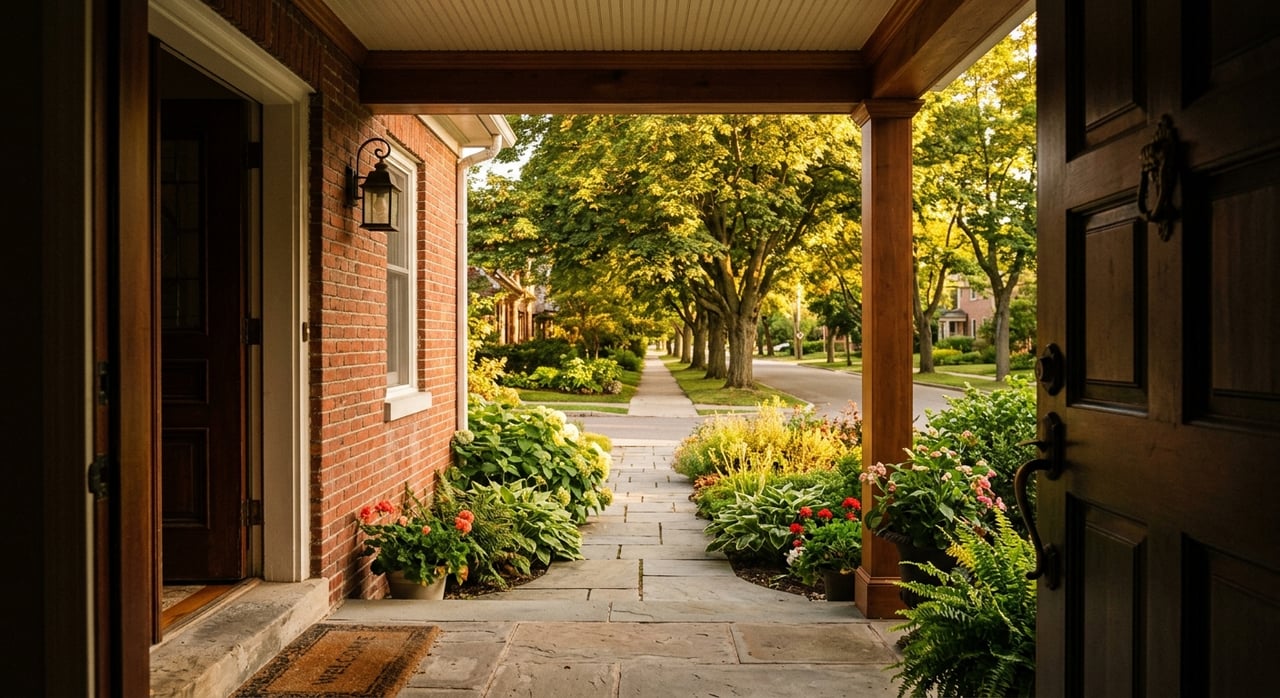
Media, PA Town Center Living: A Local Guide
June 4, 2026
June 4, 2026
If you want a downtown lifestyle without giving up small-town character, Media deserves a close look. For many buyers and renters, the appeal is simple: you can be near restaurants, parks, transit, and everyday errands in a borough that feels active and connected. This guide walks you through what town center living in Media, PA really looks like, so you can decide whether it fits the way you want to live. Let’s dive in.
Media Borough is compact by design. It covers just 0.76 square miles, with an estimated 5,920 residents in 2025, which helps create the close-in, center-focused feel many people notice right away.
That compact footprint shapes daily life. Instead of a downtown that feels separate from the rest of town, Media’s core is woven into the borough itself, with State Street serving as the main hub for dining, shopping, transit access, and community events.
The borough also notes that many everyday destinations are within walking distance, including the shopping district, library, parks, houses of worship, and theater. At the same time, your exact experience can vary by block because some sidewalk gaps still exist.
State Street is the center of gravity in Media. The Route 101 trolley runs through the middle of it, which gives downtown a lively, connected feel that is different from a typical suburban commercial strip.
Downtown Media packs a lot into a small area. The borough describes the district as having 42 restaurants and pubs, 43 retail shops, 8 banks, 35 offices and service firms, plus the Media Theatre.
That mix matters if you want a place where you can do more than just grab dinner. Media offers a blend of eclectic, international, and traditional businesses, so the town center tends to feel layered and useful rather than one-note.
If you enjoy having options close to home, Media checks that box. The downtown includes a wide range of restaurants and pubs, local retail, and daily-use businesses, including Trader Joe’s.
For many people, that translates into a more flexible routine. You may be able to walk to coffee, dinner, errands, or a casual evening out, depending on where you live within the borough.
One of Media’s biggest strengths is how often something is happening. Dining Under the Stars takes over State Street every Wednesday from May through September and features more than two dozen restaurants.
The Media Arts Council adds even more energy with the Twilight Music Series, a free monthly concert series that runs from May through October. The council also hosts the Media Film Festival and other public art programming, while the Media Spring Arts Show has brought more than 140 artists, crafters, and makers to State Street.
If you like a downtown that feels lived-in instead of decorative, this event rhythm is a major plus. It gives the borough a social pace that many buyers look for when they say they want a true town center lifestyle.
A walkable downtown can feel even better when it includes places to slow down. Media offers several parks and public spaces that add breathing room to the borough center.
Official borough resources highlight Barrall Community Park, Scott-Lowrie Playground, Dimond Park at Veterans Square, Heritage Park, Manchester Park, Philip Green Park, Plum Street Mall, and Glen Providence Park, which spans 33 acres. That range gives residents a mix of small downtown green spaces and a larger park setting nearby.
Plum Street Mall is especially useful in the core because it creates a pedestrian walkway between State Street and 2nd Street, with many restaurants nearby. The borough also highlights a 1.8-mile WalkWorks route that passes Borough Hall, the Media Theatre, the library, and the county courthouse.
For commuters and car-light households, transit access is one of Media’s most practical advantages. SEPTA notes that the Media/Wawa Line stops just down the hill from downtown, D1 goes right to the center of town, and bus routes 110 and 118 also stop in town.
The borough adds that Media Station is about a 0.2-mile walk to downtown, while Moylan-Rose Valley is about 0.8 miles away. If you need to balance suburban living with access to Philadelphia or other nearby destinations, that built-in transit network can make Media more appealing than a car-dependent suburb.
Census QuickFacts also places the borough’s mean travel time to work at 25.0 minutes. That does not predict your own commute, but it does support the idea that Media works well for many professionals who want convenience without living in the city.
Parking is available, but it helps to understand the system before you move. Media uses a structured downtown parking setup rather than an open-ended suburban model.
The borough charges $1.50 per hour for meter and kiosk parking from 8 a.m. to 8 p.m., Monday through Saturday. Zone 1 parking is capped at three hours, and the borough also offers general and residential permit programs.
For some buyers, that is a fair trade for a more active and walkable downtown. Still, if easy all-day curb parking is important to you, it is worth checking how parking works near any address you are considering.
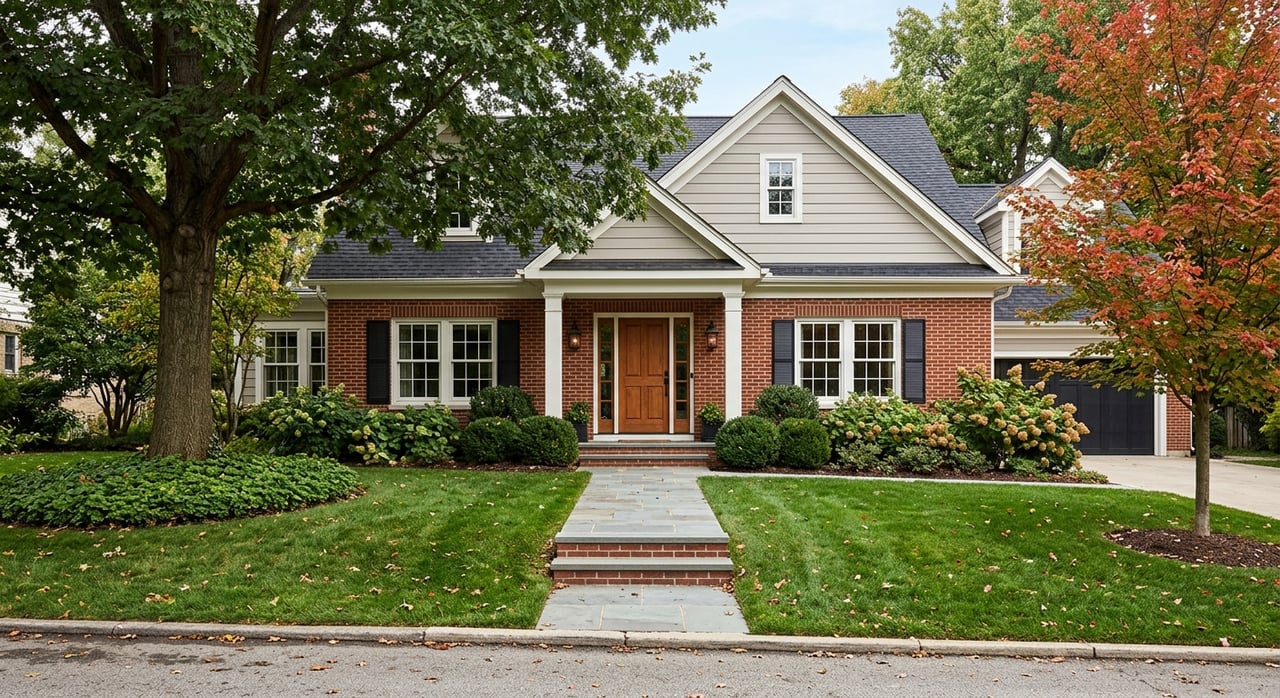
Media’s housing stock is one of the biggest reasons the borough feels distinct. Much of it is older, and the overall mix is more varied than what you typically find in newer suburban developments.
A borough housing report says most homes were built before 1960, and 34% were built before 1940. That age profile often brings architectural character and established streetscapes, but it can also mean more maintenance or renovation needs depending on the property.
The same report shows that about 43% of the housing stock is single-family, nearly 27% is in buildings with 10 or more units, and more than one-third of all units are in buildings with 2 to 19 units. In practical terms, that means Media offers a mix of detached homes and smaller multi-family options near the core.
Most units have two to four bedrooms, which helps explain why the borough can appeal to a broad range of buyers and renters. Whether you want an older detached home with character or a smaller residence closer to the center, Media offers more variety than some people expect.
Media is not a one-size-fits-all market, but it does line up especially well with a few common buyer and renter needs. The borough’s layout, housing mix, and transit access create a strong match for people who value convenience and neighborhood activity.
Media can work well if you spend at least part of the week working from home. The borough’s walkability and high household technology adoption provide practical support for that lifestyle, with Census QuickFacts showing 95.5% of households have a broadband subscription and 99.1% have a computer at home.
If your ideal day includes working from home and stepping out easily for coffee, lunch, or a walk, Media offers that kind of rhythm in many locations near downtown. As always, the exact block matters.
Commuters often look at Media because of its rail, trolley, and bus access. That range of options can make day-to-day travel simpler, especially if you want flexibility beyond driving everywhere.
For relocating professionals, this is one of Media’s strongest selling points. You get a borough setting with town-center energy and multiple transportation connections built into daily life.
If you enjoy restaurants, live entertainment, and recurring community events, Media has a strong case. Dining Under the Stars, the Twilight Music Series, the Media Theatre, and seasonal arts programming all support a more active downtown lifestyle.
This is one reason Media often feels like more than a quiet bedroom community. It offers small-town scale, but the core stays busy and relevant through much of the year.
If you love older homes and established borough settings, Media may feel like a natural fit. The age of the housing stock gives the town center a sense of continuity and character that is hard to replicate in newer developments.
That said, older homes can come with repair, upkeep, and renovation considerations. If you are shopping in Media, it helps to look at both charm and condition with equal care.
The biggest takeaway for early research is that block-by-block details matter in Media. The borough itself notes that walkability can vary because of sidewalk gaps, and parking rules may shape how convenient a specific address feels.
If you are hoping for a fully car-free lifestyle, test that assumption against the exact property. Walk the route to downtown, check transit access, and understand nearby parking before making a decision.
It is also smart to think about housing style. An older home near the center may give you great character and location, but you will want to weigh that against maintenance expectations and your comfort with updates.
Media offers something that can be hard to find in the suburbs: a real town center with legitimate daily-use amenities, not just a small cluster of shops. Its appeal comes from the combination of a compact layout, active downtown, transit options, varied housing stock, useful parks, and a calendar that keeps the borough center engaged through much of the year.
If you are exploring Media because you want a lifestyle that feels connected, convenient, and a little more lively than the average suburb, this borough is worth serious consideration. And if you want help comparing blocks, housing types, or commute tradeoffs, Ainlay Dixon can help you navigate your options with calm, local guidance.
July 23, 2026
July 16, 2026
July 9, 2026
July 2, 2026
June 25, 2026
June 18, 2026
June 11, 2026
June 4, 2026
May 28, 2026
Get assistance in determining current property value, crafting a competitive offer, writing and negotiating a contract, and much more. Contact her today.